
Entrada libre hasta completar el aforo.
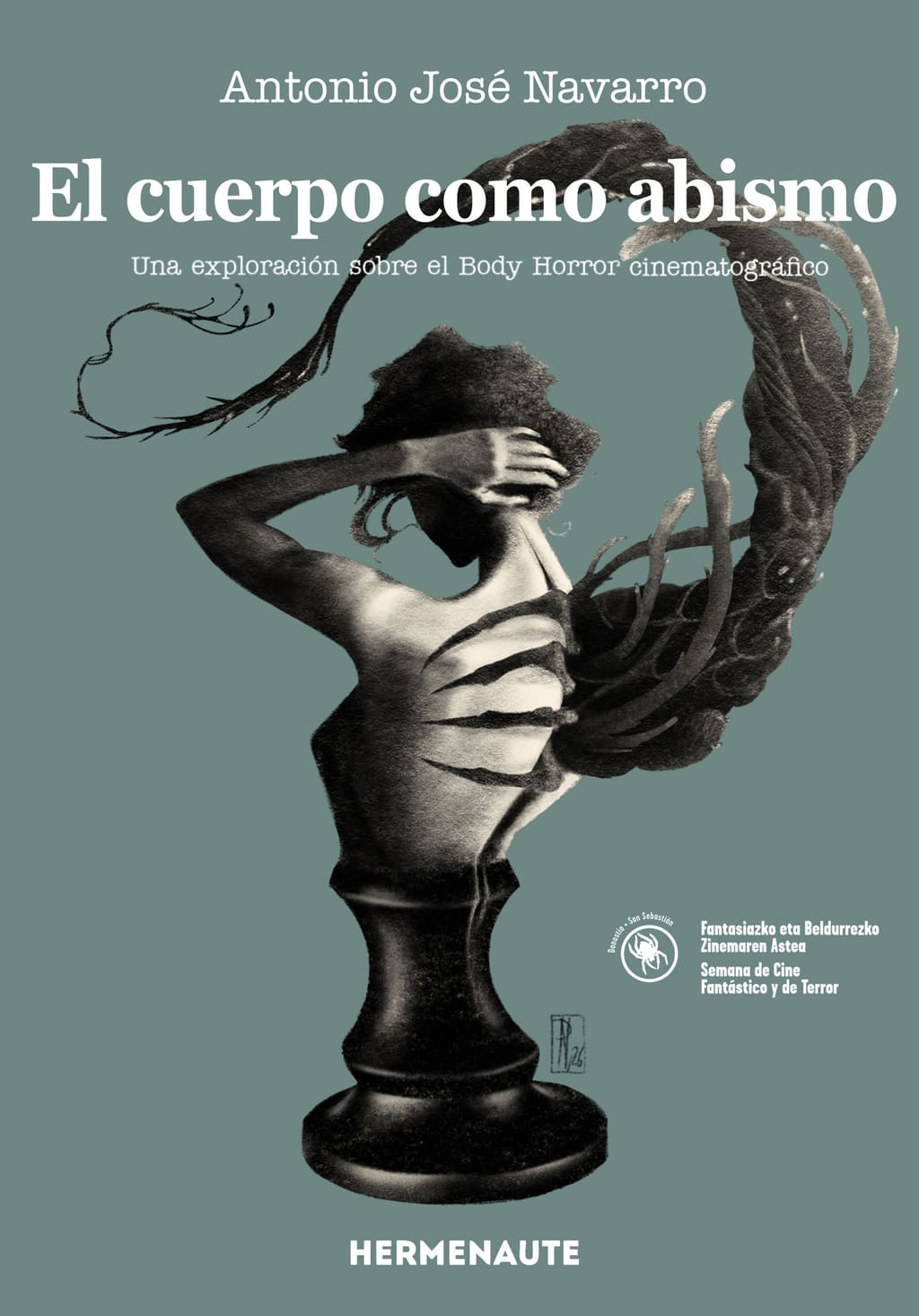
EL CUERPO COMO ABISMO. UNA EXPLORACIÓN SOBRE EL BODY HORROR CINEMATOGRÁFICO
The Body as an Abyss. An Exploration of Cinematic ‘Body Horror’
No tenemos un cuerpo: somos un cuerpo. La idea de que habitamos la carne como quien habita una casa es una ficción cartesiana, tan reconfortante como frágil, que la metafísica occidental lleva dos mil años intentando sostener sin demasiada fortuna. Lo que somos, en realidad, es un organismo que suda, que sangra, que enferma y que envejece; un organismo que, en algún momento terrible, puede mutar y rebelarse contra nosotros. La frontera entre el yo y la carne no es más que una ilusión, una fantasía. Y cuando la carne falla, el yo se marcha con ella, casi sin dejar rastro.
Ninguna otra forma artística ha comprendido esta verdad con tanta lucidez como el cine de terror conocido como Body Horror. Desde Vinieron de dentro de… (1975) hasta La sustancia (2024), este cine la ha mirado de frente, sin anestesia y sin moralismos.
Hablamos de un cine físico y perturbador que nace con David Cronenberg y John Carpenter; que Brian Yuzna, Frank Henenlotter y Clive Barker prolongan con una furia visceral, y que Julia Ducournau, Tom Six y Coralie Fargeat llevan hasta sus consecuencias más radicales.
A partir de la obra de todos ellos, y de la de otros cineastas no menos inquietantes, este ensayo se adentra en ese vasto corpus fílmico para leerlo como un síntoma. Lo hace a través de cuatro grandes ejes: la abyección y la metamorfosis monstruosa; la fabricación científica y biopolítica del cuerpo; su invasión parasitaria; y, por último, la disolución del yo.
EL CINE NEORREALISTA ITALIANO. ORÍGENES, AUTORES Y SENSIBILIDADES
Italian Neorealist Cinema: Origins, Filmmakers and Aesthetics
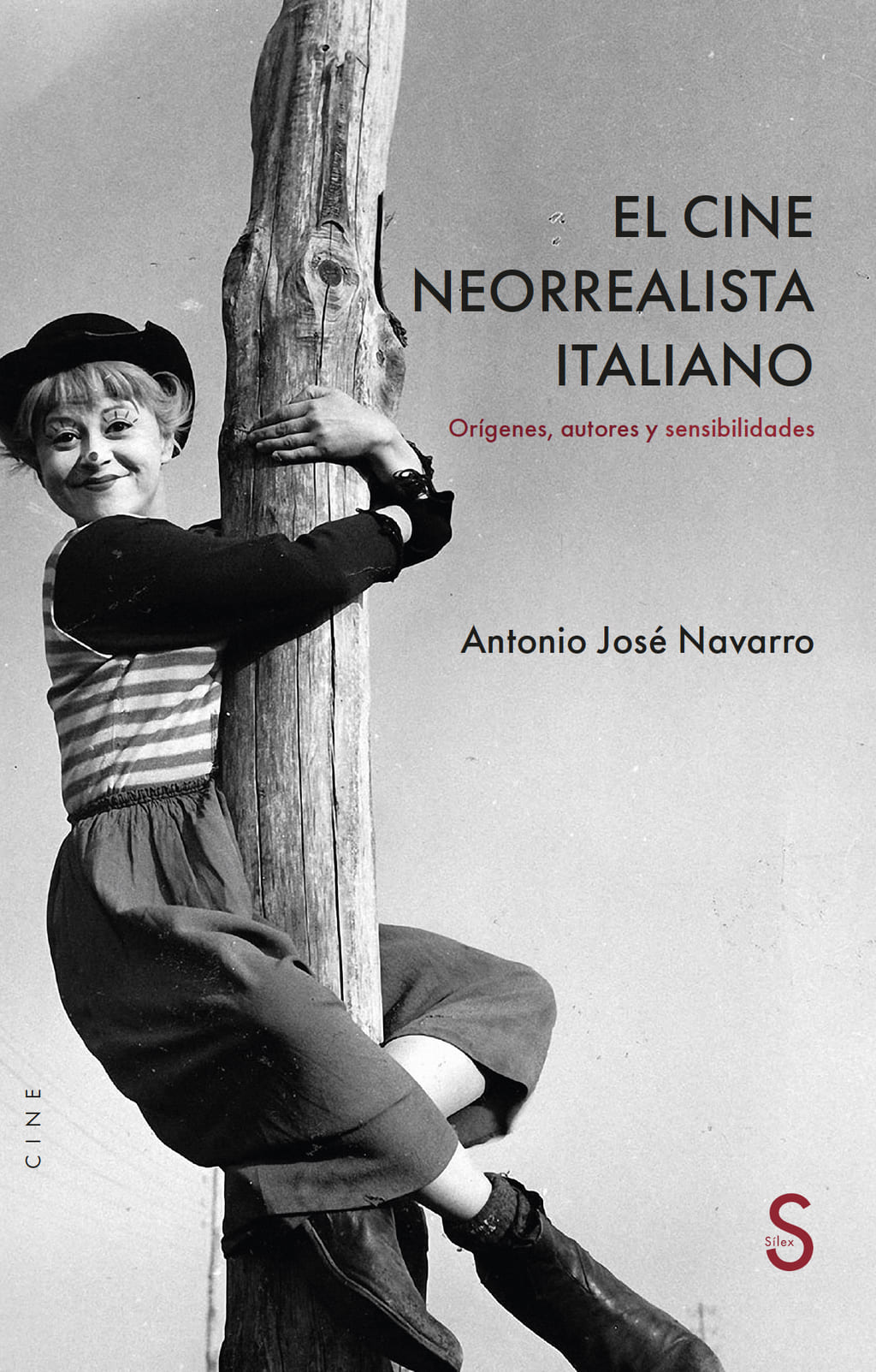
El neorrealismo italiano es uno de los movimientos artísticos más brillantes e influyentes que ha dado la historia del cine. Este libro invita a recorrerlo de la mano de sus figuras más destacadas y de sus películas más significativas.
El viaje arranca en los años treinta, cuando una nueva sensibilidad estética empieza a asomar en títulos como Tierra madre (Alessandro Blasetti, 1931) u Ossessione (Luchino Visconti, 1943). Continúa con su etapa de esplendor, en la inmediata posguerra, cuando directores como Roberto Rossellini, Vittorio De Sica, Giuseppe De Santis o Alberto Lattuada proponen una forma nueva de mirar la realidad a través de la cámara.
Y llega, por último, a su lento ocaso, entre finales de los años cincuenta y comienzos de los sesenta. El llamado miracolo economico transforma entonces en profundidad el paisaje social y cultural de Italia, y el cine se abre a otras formas de expresión. Aun así, el neorrealismo conserva fuerzas suficientes para inspirar las primeras obras maestras de Michelangelo Antonioni, Pier Paolo Pasolini y Francesco Rosi.
Nacido de las ruinas materiales y morales de la Segunda Guerra Mundial, el neorrealismo hizo del cine un espejo de la nación. Apostó por los escenarios reales, por los actores no profesionales y por una ética de la verdad que iba mucho más allá de lo puramente estilístico.
Con una mirada a la vez cultural, política y cinematográfica, este estudio ofrece una visión panorámica de una sensibilidad que sigue viva hoy en nuestras pantallas. Para ello, combina un minucioso estudio introductorio con la reseña de cincuenta títulos esenciales.

ANTONIO JOSÉ NAVARRO Autor
Nacido en Barcelona (1966), es crítico e historiador cinematográfico y miembro de la AEHC (Asociación Española de Historiadores de Cine) y de la Associació Catalana de Crítics i Escriptors Cinematogràfics (ACCEC). Ha colaborado con numerosas publicaciones, como Dirigido por o Imágenes de actualidad.
Fue miembro del equipo de selección y programación del Festival Internacional de Cinema Fantàstic de Catalunya, Sitges, entre 2001 y 2011, además de coordinador de las publicaciones exteriores del certamen.
Es autor de los libros Alien: Los inconquistables, El imperio del mal. El cine de horror norteamericano post 11-S, Choque de titanes: 50 películas fundamentales sobre la Guerra Fría, Hollywood y la guerra contra el terror, Líbranos del mal: Un estudio cultural del cine de posesiones demoníacas y exorcismos, El banquete infame: Representaciones del canibalismo en el cine, El cine neorrealista italiano: Orígenes, autores y sensibilidades y El cuerpo como abismo: Una exploración sobre el «Body Horror» cinematográfico.
We do not have a body: we are a body. The idea that we inhabit the flesh as one inhabits a house is a Cartesian fiction – as comforting as it is fragile – which Western metaphysics has been trying to uphold for two thousand years, without much success. What we are, in reality, is an organism that sweats, bleeds, falls ill and ages; an organism that, at some terrible moment, may mutate and turn against us. The boundary between the self and the flesh is nothing more than an illusion, a fantasy. And when the flesh fails, the self departs with it, leaving almost no trace behind.
No other art form has grasped this truth with such clarity as the horror cinema known as Body Horror. From Shivers… (1975) to The Substance (2024), this genre has stared it in the face: without anaesthesia and without moralising.
We are talking about a physical and unsettling cinema that began with David Cronenberg and John Carpenter; that Brian Yuzna, Frank Henenlotter and Clive Barker carried forward with visceral fury; and that Julia Ducournau, Tom Six and Coralie Fargeat have taken to its most radical extremes.
Drawing on the work of all these filmmakers, as well as that of other no less unsettling directors, this essay delves into this vast body of film to interpret it as a symptom. It does so through four main themes: abjection and monstrous metamorphosis; the scientific and biopolitical construction of the body; its parasitic invasion; and, finally, the dissolution of the self.
Italian neorealism is one of the most brilliant and influential artistic movements in the history of cinema. This book invites you to explore it through its most prominent figures and its most significant films.
The journey begins in the 1930s, when a new aesthetic sensibility began to emerge in films such as Mother Earth (Alessandro Blasetti, 1931) and Obsession (Luchino Visconti, 1943). It continues through its golden age, in the immediate post-war period, when directors such as Roberto Rossellini, Vittorio De Sica, Giuseppe De Santis and Alberto Lattuada proposed a new way of looking at reality through the camera.
Finally, its slow decline arrived, between the late 1950s and early 1960s. The so-called miracolo economico then profoundly transformed Italy’s social and cultural landscape, and cinema opened up to other forms of expression. Even so, neorealism retained sufficient vigour to inspire the early masterpieces of Michelangelo Antonioni, Pier Paolo Pasolini and Francesco Rosi.
Born out of the material and moral ruins of the Second World War, neorealism made cinema a mirror of the nation. It embraced real-life settings, non-professional actors and an ethic of truth that went far beyond the purely stylistic.
From a perspective that is at once cultural, political and cinematic, this study offers a panoramic view of a sensibility that remains alive on our screens today. To this end, it combines a detailed introductory study with reviews of fifty essential films.
Born in Barcelona (1966), he is a film critic and historian, and a member of the AEHC (Spanish Association of Film Historians) and the Associació Catalana de Crítics i Escriptors Cinematogràfics (ACCEC). He has contributed to numerous journals such as Dirigido por and Imágenes de actualidad.
He was a member of the selection and programming team for the Sitges International Fantastic Film Festival between 2001 and 2011, as well as coordinating the festival’s international publications.
He is the author of the books Alien. Los inconquistables, El imperio del mal. El cine de horror norteamericano post 11-S, Choque de titanes. 50 películas fundamentales sobre la Guerra Fría, Hollywood y la guerra contra el terror, Líbranos del mal. Un estudio cultural del cine de posesiones demoníacas y exorcismos, El banquete infame. Representaciones del canibalismo en el cine, El cine neorrealista italiano. Orígenes, autores y sensibilidades and El cuerpo como abismo. Una exploración sobre el ‘Body Horror’ cinematográfico.

 y luego